Local Experts in Siding Services You Can Trust
Premier Siding Services: Protecting Your Home While Enhancing Its Beauty
Professional siding solutions provide a dual purpose: they protect homes from the elements and enhance visual appeal. As homes age, indicators such as cracks and water damage signal the necessity of immediate attention and replacement. Picking durable materials designed for particular climates can greatly impact lasting strength and energy savings. The importance of professional installation cannot be overstated. Recognizing these considerations is crucial for homeowners considering an upgrade. What factors should one weigh before making such a decision?
Warning Signs That Your Siding Needs to Be Replaced?
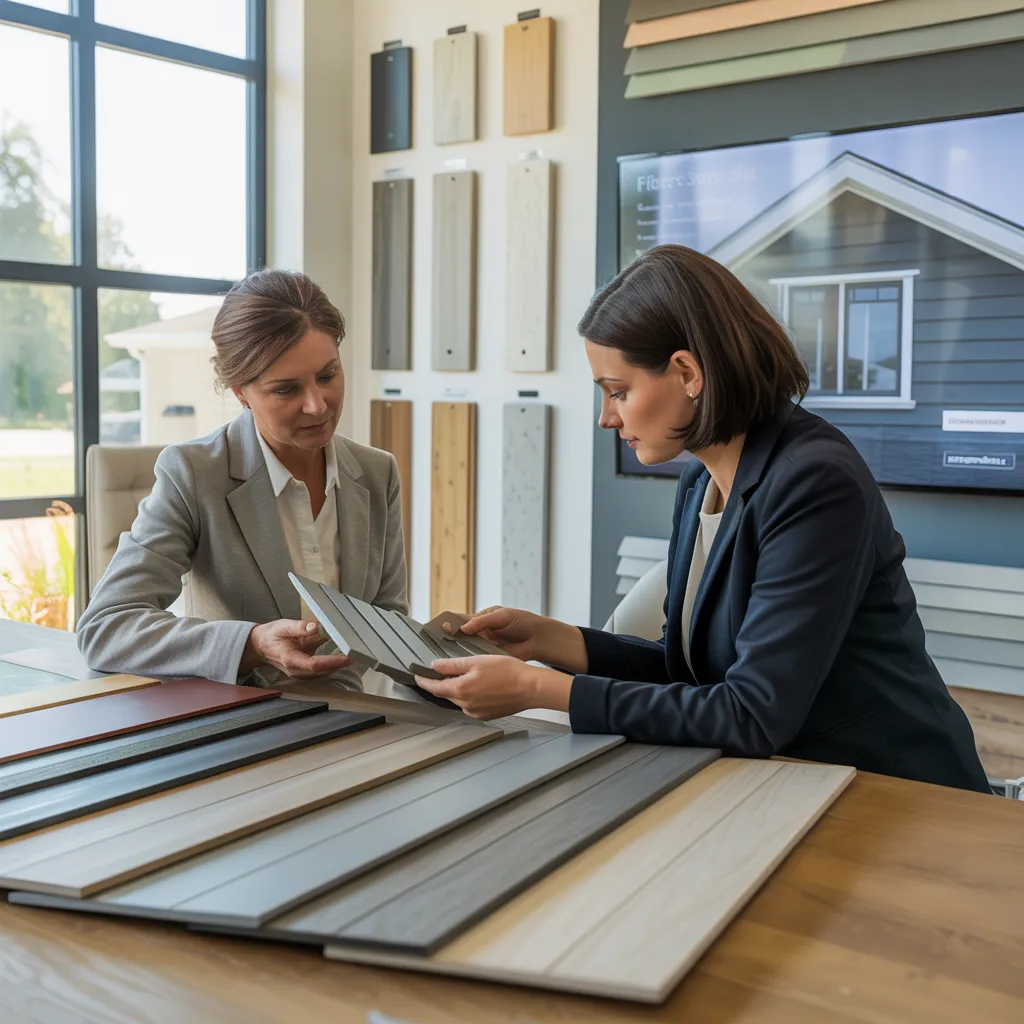
When is it time for homeowners to replace their siding? There are several key signs that homeowners should watch for that suggest siding replacement is needed. Visible damage, such as cracks, warping, or peeling paint, can compromise the exterior's integrity and appearance. In addition, moisture or mold growth may point to hidden issues that can become costly if not promptly addressed. If energy bills begin to rise unexpectedly, it may indicate insufficient insulation due to worn-out siding, prompting a reevaluation of the home's exterior. In addition, the age of the siding is a critical factor; the majority of siding materials last between 20 and 30 years. As a final point, when a homeowner experiences greater noise intrusion from the outdoors, transitioning to a more soundproof siding solution may be advisable. Recognizing these signs early can help maintain the home's safety and aesthetic appeal while preventing future complications.
Why High-Quality Siding Is Important for Your Home
Superior siding plays an essential role in a home's general functionality and aesthetic. It boosts energy efficiency by offering superior insulation, which can result in lower utility bills. Furthermore, high-quality siding substantially increases curb appeal, making the property more attractive to future buyers and onlookers.
Energy Saving Advantages
Energy efficiency is a fundamental element of today's residential design, and the type of siding has a major impact in achieving it. High-grade siding products, such as fiber cement or insulated vinyl, provide superior thermal performance, helping to maintain consistent indoor temperatures. This reduces reliance on heating and cooling systems, ultimately leading to decreased utility expenses. Additionally, properly installed siding reduces air infiltration, further enhancing a home's insulation. Homeowners investing in premium siding options not only enhance their home's thermal performance but also promote eco-friendly living by lowering their greenhouse gas emissions. To sum up, selecting the right siding is critical for enhancing a home's energy efficiency, making it a wise decision for sustained savings and comfort.
Curb Appeal Improvement
While the choice of siding may seem like a minor detail, it significantly influences a home's overall curb appeal. Premium siding has the power to turn a plain home into an attractive dwelling, elevating its beauty and expressing the homeowner's unique preferences. Different materials, colors, and textures allow for personalization, enabling homeowners to create a unique look that stands out in the neighborhood. Additionally, well-maintained siding can increase property value, making it an essential investment. Many home purchasers commonly value curb appeal, and premium siding often serves as a key consideration. Ultimately, choosing the right siding not only protects the structure but also elevates its charm, establishing it as an essential element in creating an attractive, inviting residence.
Choosing Siding Materials: Key Factors to Evaluate
Selecting the appropriate siding materials is essential for enhancing a home's aesthetic appeal and durability. Homeowners should consider several factors when making this decision. Above all, climate serves as a crucial consideration; options like vinyl or fiber cement tend to perform well in regions with harsh weather, while wood siding can offer charm in temperate climates.
Next, upkeep needs differ; some options demand routine painting or staining, while others are virtually maintenance-free. Budget is also a key factor; options range from budget-friendly vinyl to higher-end natural wood or stone.
Energy efficiency should also be assessed, as particular materials deliver helpful information enhanced insulation, potentially lowering energy bills. Ultimately, homeowners ought to evaluate their property's architectural design to guarantee that the siding complements its overall design. By taking all of these aspects into account, homeowners are able to choose siding materials that improve both aesthetics and durability.
Advantages of Hiring Professional Siding Installers
Hiring expert siding contractors can greatly enhance the durability and quality of a property's exterior. These skilled contractors possess extensive experience, ensuring that the work is carried out to the highest standards. Their expert understanding allows them to navigate potential challenges, such as misaligned panels or inadequate weatherproofing, which can create substantial maintenance expenses in the future.
Furthermore, professional installers come prepared with the correct equipment and supplies, which can substantially shorten installation time and enhance the general finish. They also keep up with local building codes and regulations, ensuring adherence and minimizing the risk of fines or rework.
Moreover, choosing expert installers often comes with warranties on both materials and labor, providing homeowners reassurance. This degree of confidence, paired with the practical and visual qualities of expert installation, demonstrates the merit of trusting skilled professionals with siding projects.
Improving Curb Appeal With Siding Solutions
Picking the perfect siding can substantially elevate a home's curb appeal. Color choices, combined with various finishes and materials, permit homeowners to craft a distinctive look that embodies their individual taste. By weighing these considerations, individuals can turn their residence into a stunning and inviting space.
The Importance of Color Choices
How does the perfect color choice impact a home's exterior appearance? The choice of siding color greatly impacts a home's curb appeal, defining the character of its overall look. Lighter tones have the ability to make a space feel more open and welcoming, while darker hues can evoke elegance and sophistication. Vibrant colors draw attention, allowing a home to stand out in the neighborhood, while muted tones offer a classic, timeless look. Moreover, the ideal color can work in harmony with surrounding greenery and structural elements, achieving a balanced appearance. When choosing colors, homeowners ought to take into account their individual taste, regional climate, and community aesthetics. In the end, carefully considered color selections not only elevate a home's beauty but also express the homeowner's character, making the property feel inviting and cared for.
Texture And Material Selections
Diverse texture and material selections can greatly enhance a home's exterior appearance, giving homeowners the ability to express their personal style. Siding materials such as vinyl, wood, and fiber cement each deliver individual design appeal and structural resilience. Low-maintenance vinyl siding, is available in various textures that mimic natural materials. Although wood siding demands greater maintenance, adds timeless warmth and elegance, coming in smooth or textured finishes. Fiber cement siding strikes the perfect balance, offering resilience and a variety of textures, including stucco and wood grain. These choices allow homeowners to tailor their exterior appearance, improving both the visual charm and market value of the home. Selecting the right combination can transform any home into a stunning masterpiece.
Maintenance Tips for Long-Lasting Siding Performance
Consistent maintenance is crucial for guaranteeing the longevity and performance of home siding. Property owners ought to start by washing the siding at least twice a year to eliminate grime, mold, and accumulated debris. A low-pressure washer or a soft-bristled brush with a gentle cleanser can efficiently copyright its condition without causing deterioration. Inspecting the siding for cracks, warps, or loose panels is essential; resolving these concerns quickly can avert more serious complications. In addition, homeowners should secure proper drainage around the foundation to avoid water damage. Applying a protective sealant can enhance durability, particularly for wood siding. It is equally recommended to refinish or restain every couple of years, as this helps protect against the elements. Lastly, routine inspections of caulking around windows and doors will ensure secure seals, lowering utility expenses and prolonging the siding's lifespan. Such preventative measures help preserve both appearance and performance.
Questions We Often Receive
How Much Time Does Siding Installation Usually Require?
Siding installation typically takes anywhere from one to three days, according to the project's size and overall complexity. Factors like weather conditions and the type of siding chosen can also influence the overall timeline for completion.
What Are the Typical Costs of Siding Replacement?
The cost of siding replacement varies considerably, usually running anywhere from $5,000 to $15,000 based on the materials used, labor costs, and the size of the home. Homeowners should consider additional expenses, such as removal of old siding and potential structural repairs.
Is Installing New Siding Over Existing Siding an Option?
Indeed, new siding can be installed over existing siding, but it's vital to guarantee the foundational structure is in good condition. Suitable insulation and moisture barriers are necessary to prevent issues including rot and mold.
What Types of Warranties Are Offered for Siding Products?
A variety of siding products include warranties that range considerably, typically providing coverage for material defects for 20 to 50-year periods. Warranties for installation may also be offered, ensuring workmanship for a predetermined period, often covering one to ten years.
How Do I Choose a Siding Color That Complements My Home?
To select a siding color that complements a home, one should consider the architectural style, nearby natural environment, and nearby houses. Color samples assist in visualizing choices, while referencing color wheel guides enhances the decision-making process.